Necrolytic migratory erythema = الحمامى الهاجرة النخرية الانحلالية
Necrolytic migratory erythema = الحمامى الهاجرة النخرية الانحلالية
Read More
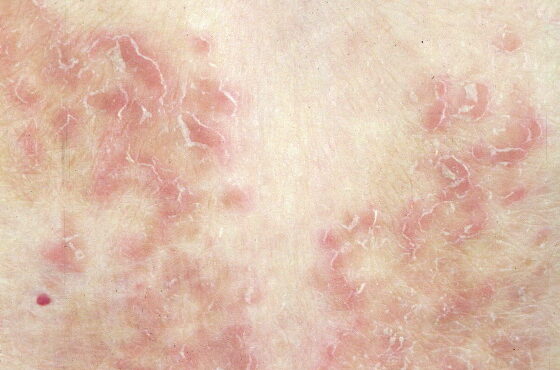
Necrolytic migratory erythema = الحمامى الهاجرة النخرية الانحلالية
Read More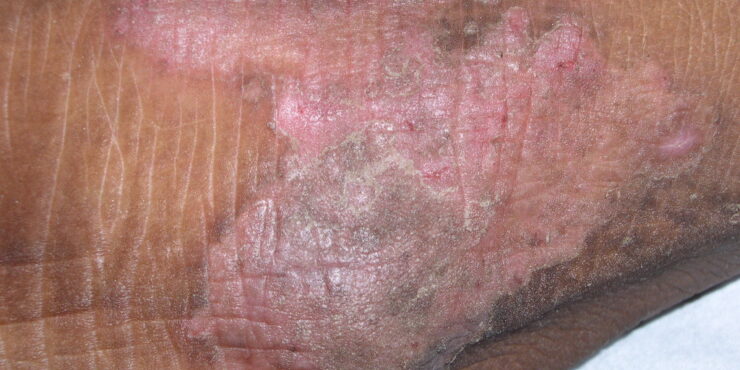
Necrolytic acral erythema =الحمامى النخرية الانحلالية على النهايات Necrolytic acral erythema Necrolytic acral erythema (NAE) was first described in 1996 by physicians in Egypt, M. El Darouti and M. Abu El Ela.1 Reports have continued to link hepatitis C with NAE.2 Necrolytic acral erythema manifests as well-circumscribed, dusky erythematous plaques with adherent scale. While the […]
Read More
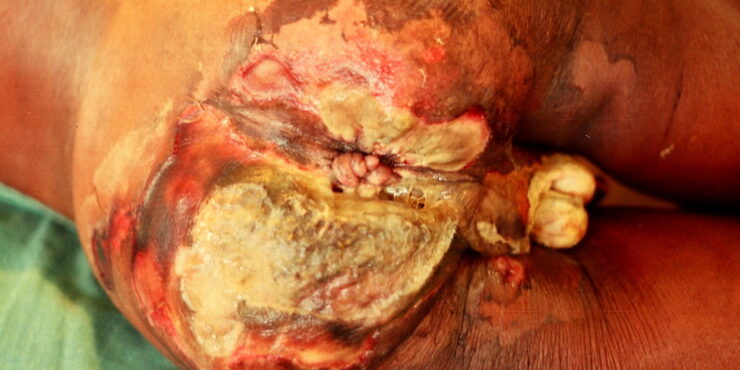
Necrotising fasciitis = التهاب اللفافة النخري necrotizingfasciitis insectbites Necrotizing Fasciitis . Streptococcal Gangrene, Including Type II Necrotizing Fasciitis. In streptococcal gangrene, a monomicrobial infection, the pathogen is almost always a GAS, although groups C and G isolates, as well as other microorganisms, are infrequently identified. Occasionally, in newborns but also in patients […]
Read More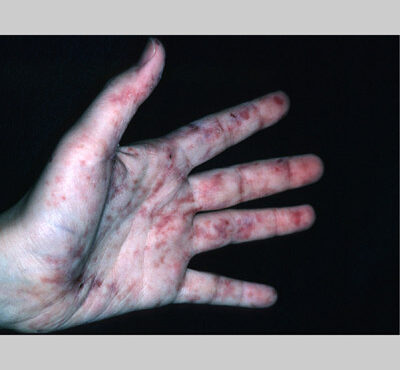
Necrotizing vasculitis = التهاب الاوعية النخري
Read More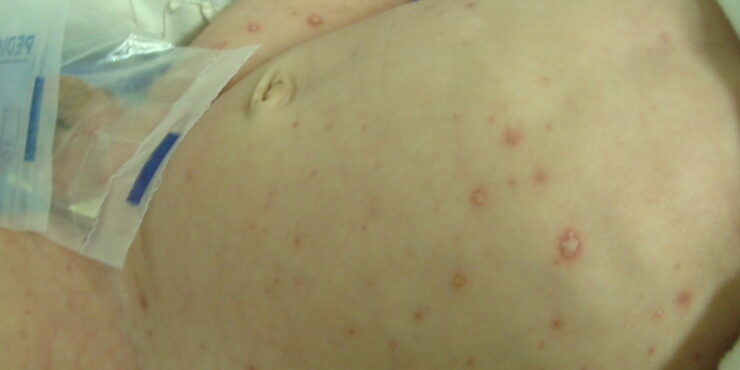
Nenatal varicella infection = الحماق عند الوليد
Read More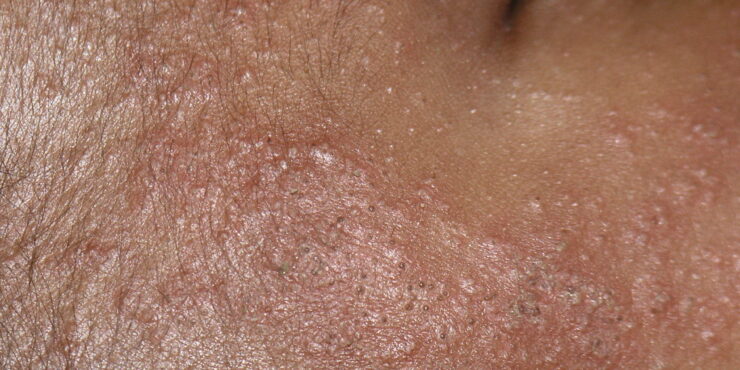
Neonatal acne = عد الوليد OLYMPUS DIGITAL CAMERA Neonatal Acne Neonatal acne can occur in up to 20 percent of healthy newborns. Lesions usually appear around 2 weeks of age and resolve spontaneously within 3 months. It is marked by small, inflamed papules across the nasal bridge and on the cheeks. Comedone formation is […]
Read More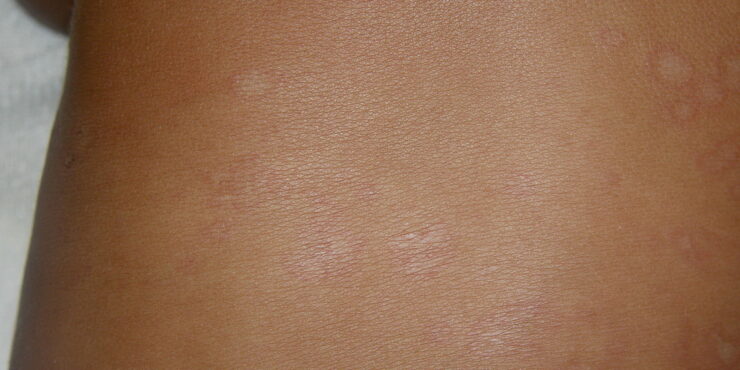
Neonatal lupus erythematosus = الذئبة الحمامية عند الوليد OLYMPUS DIGITAL CAMERA OLYMPUS DIGITAL CAMERA
Read More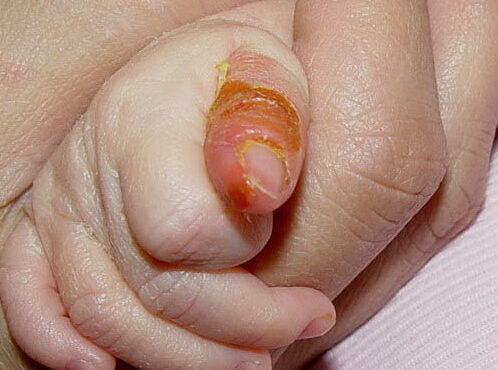
Neonatal bullous impetigo = القوباء الفقاعية عند الوليد Impetigo. Two clinical patterns of impetigo are recognized: bullous and non-bullous. Bullous impetigo is caused by S. aureus. Currently, in industrialized nations, non-bullous impetigo is most commonly caused by S. aureus and less often by group A streptococcus. Group A streptococcus remains a common cause of […]
Read More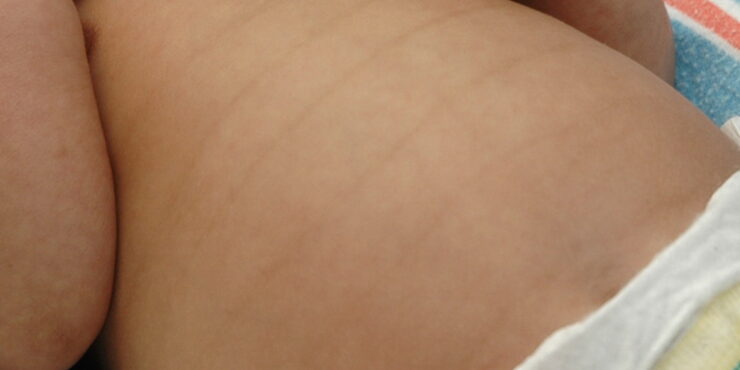
Neonatal horizontal hyperpigmentation = فرط التصبغ الافقي عند الوليد
Read More