Folliculitis.
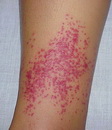
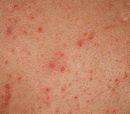
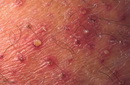
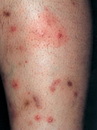
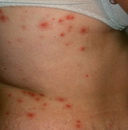
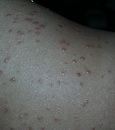
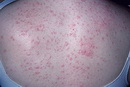
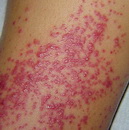
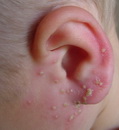
Folliculitis is a pyoderma that begins within the hair follicle, and is classified according to the depth of invasion (superficial and deep), and microbial etiology .
SUPERFICIAL FOLLICULITIS.
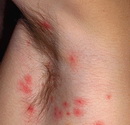
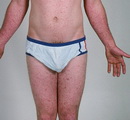
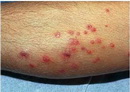
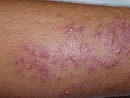
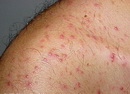
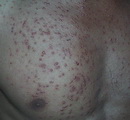
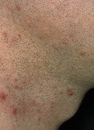
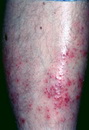
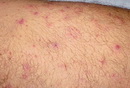
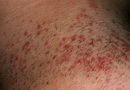
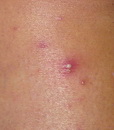
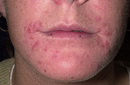
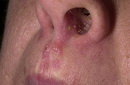
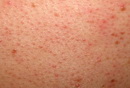
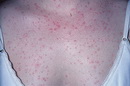
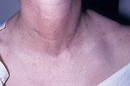
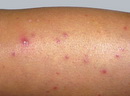
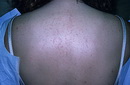
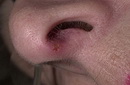
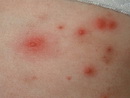
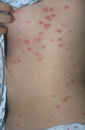
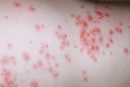
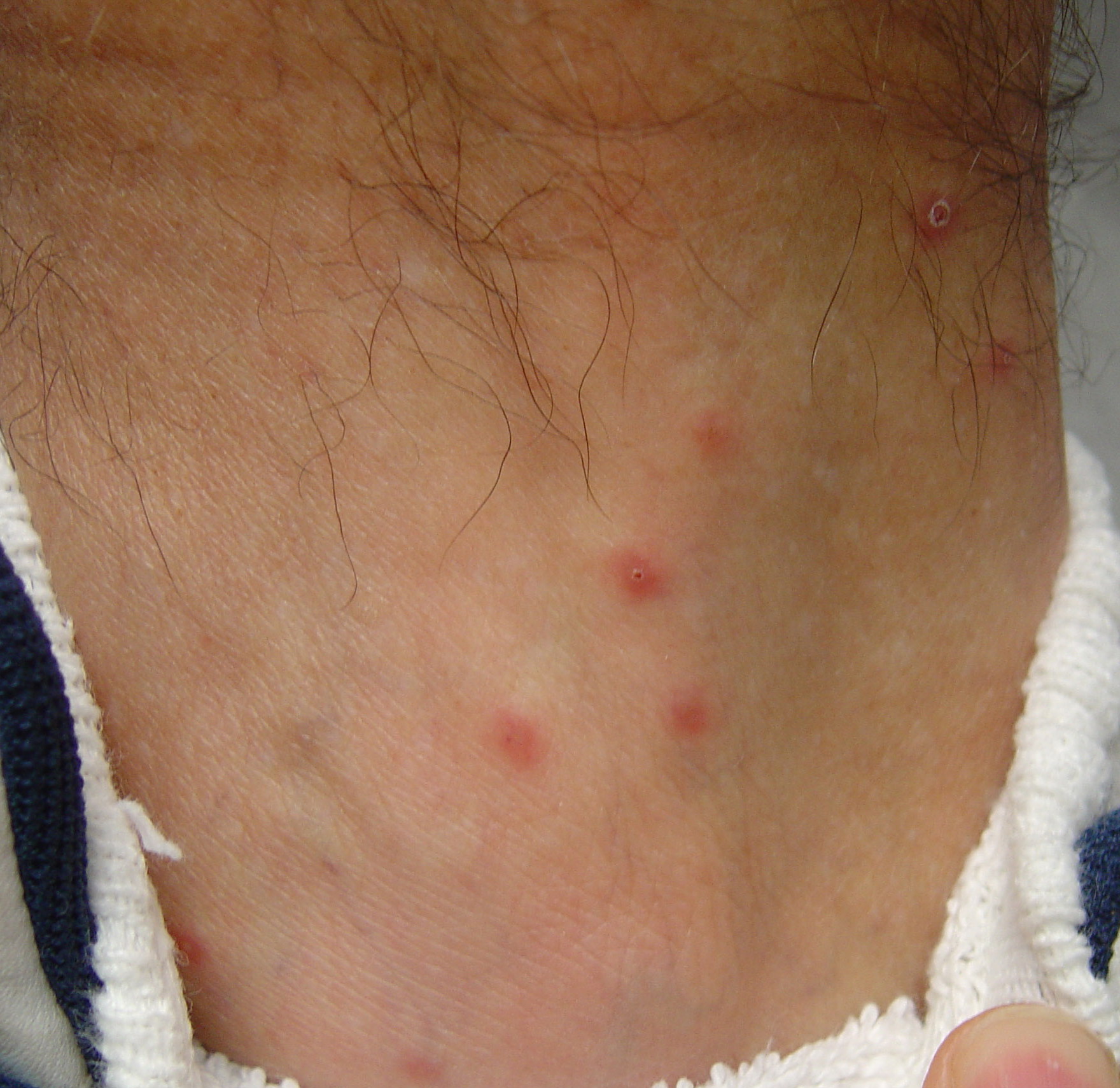
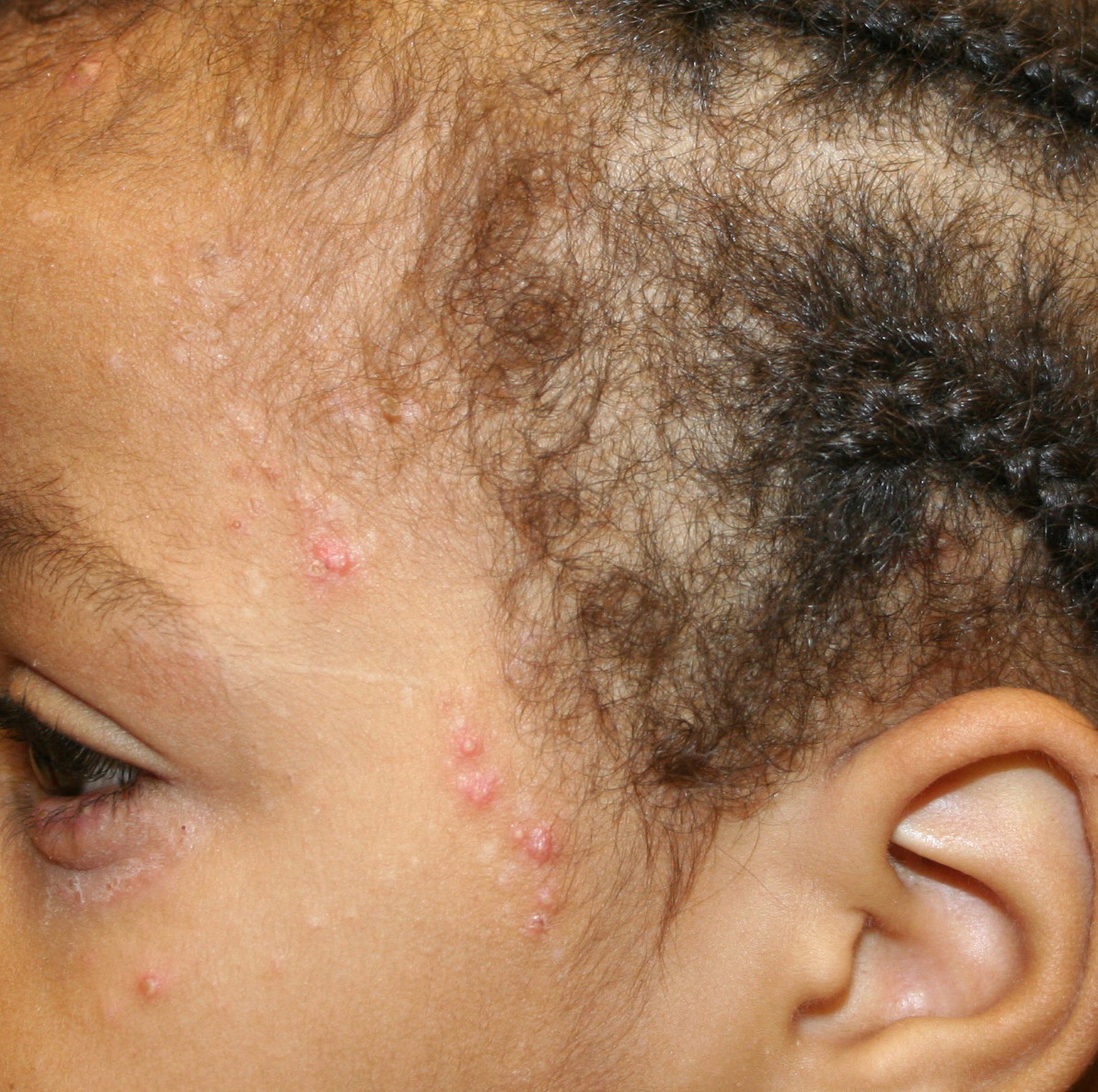
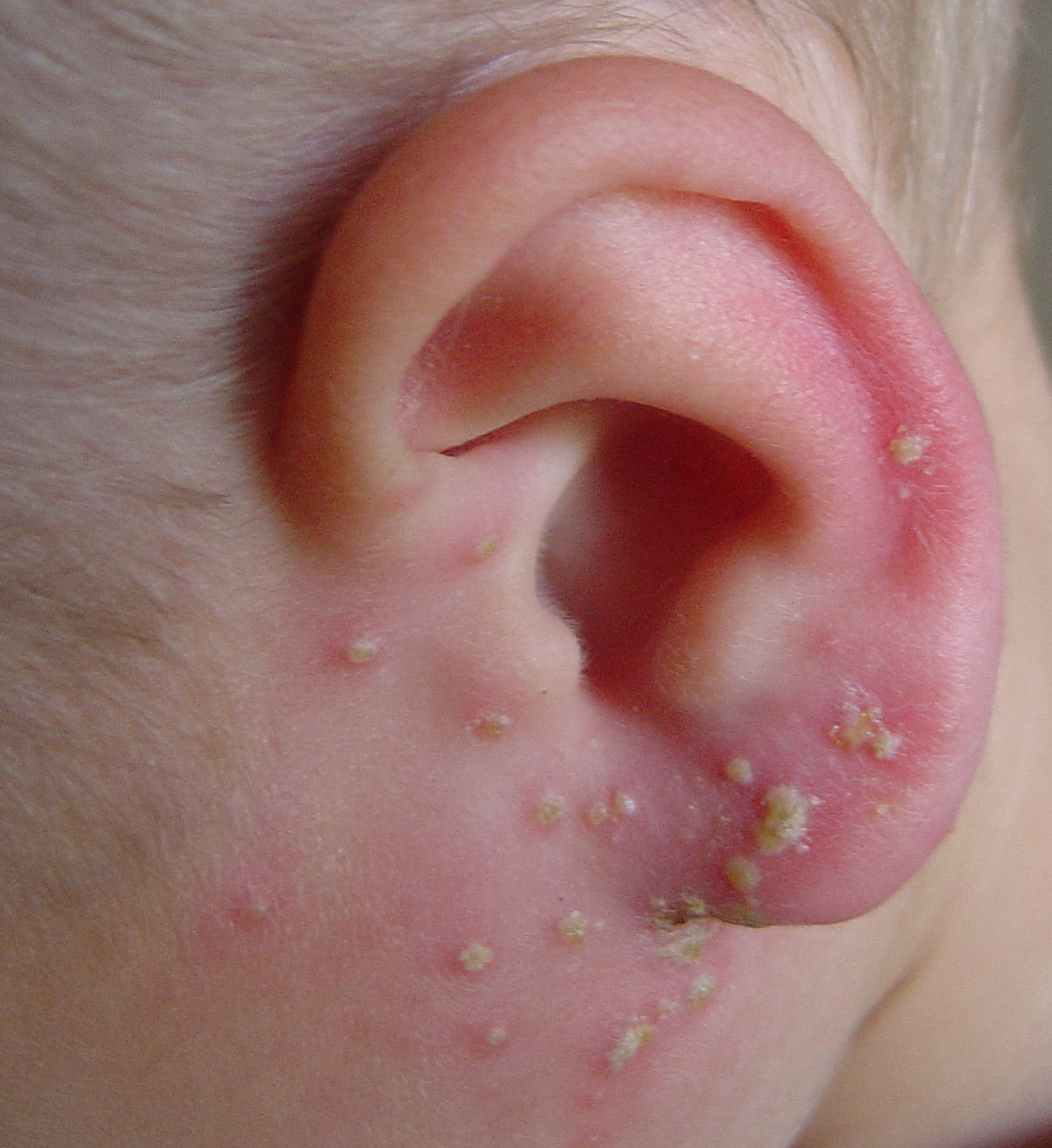
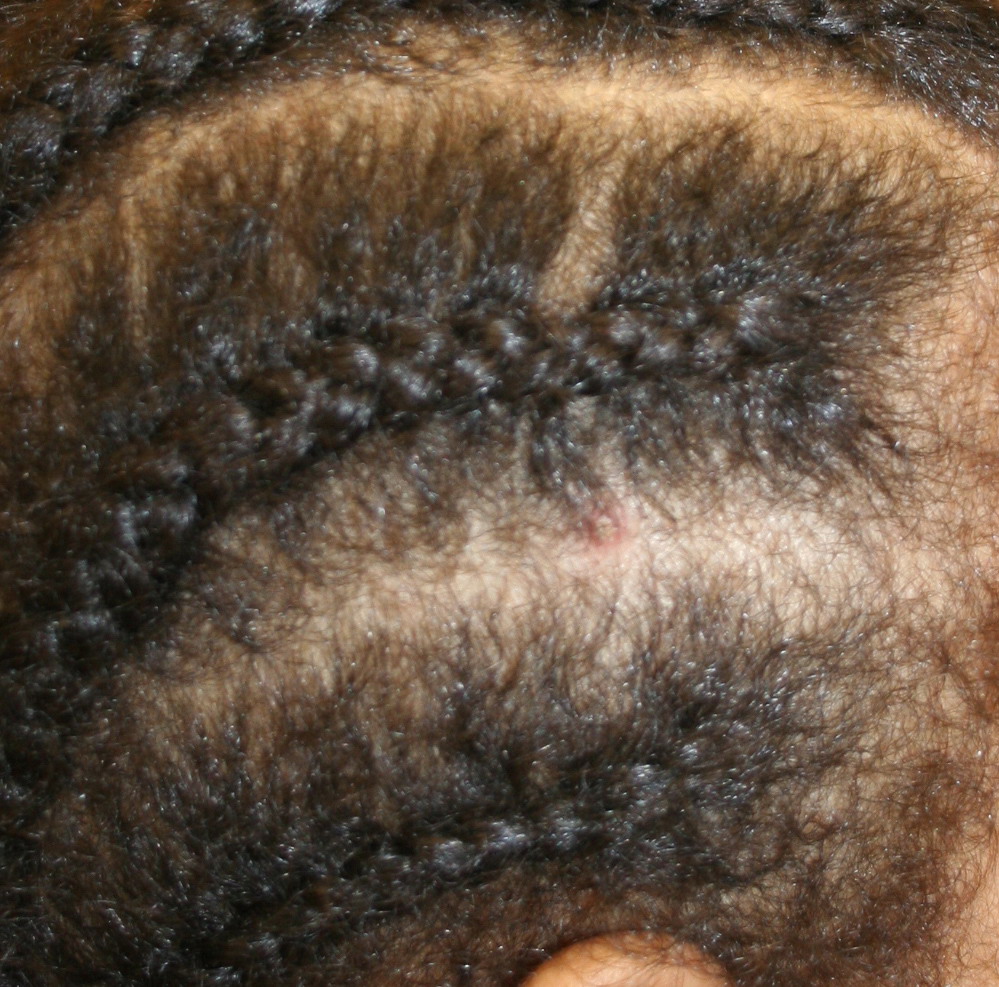
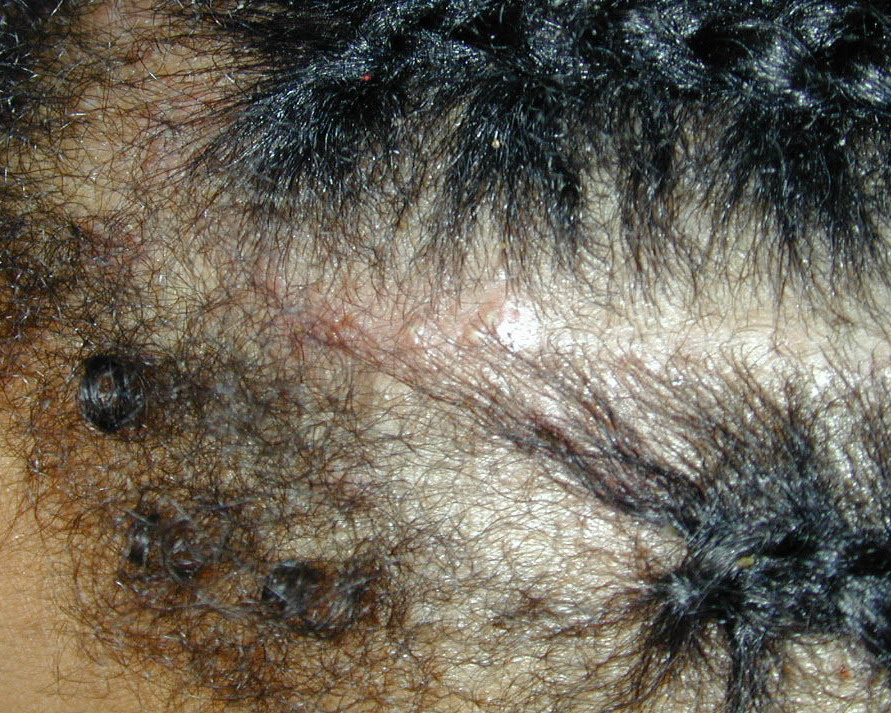
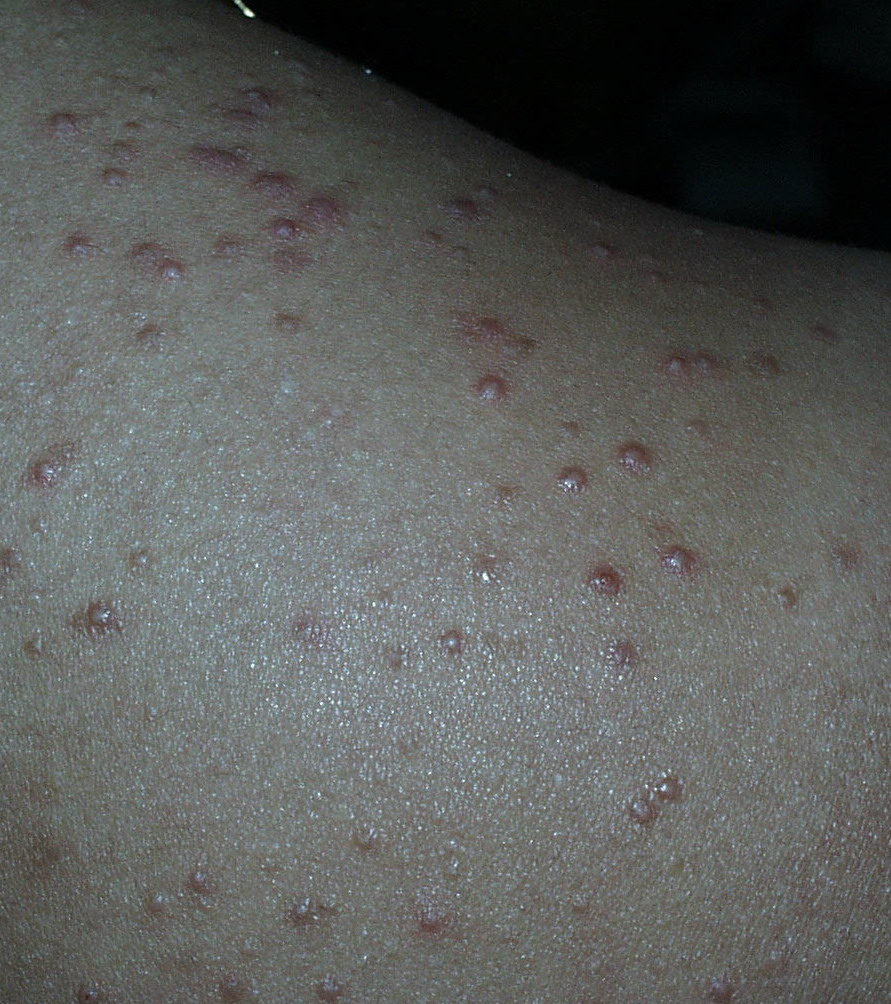
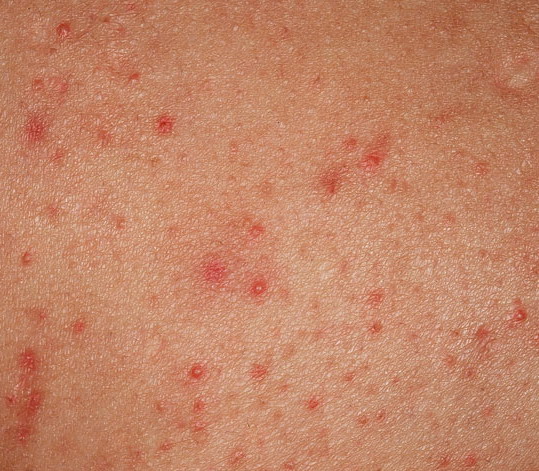
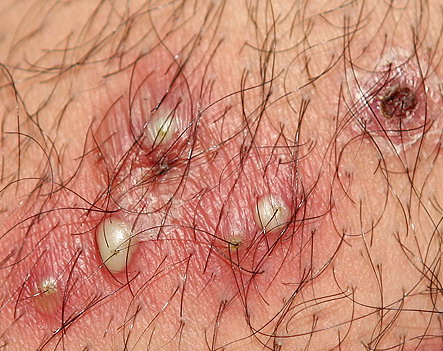
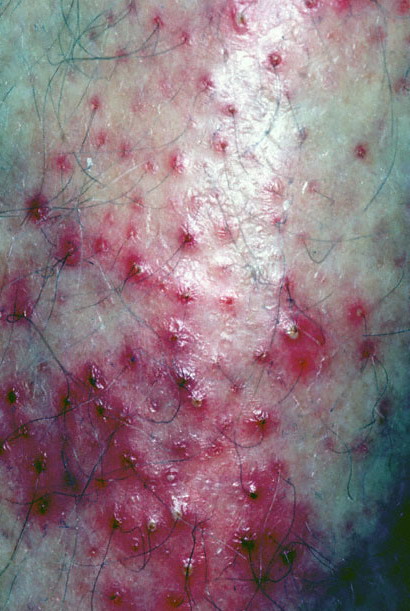
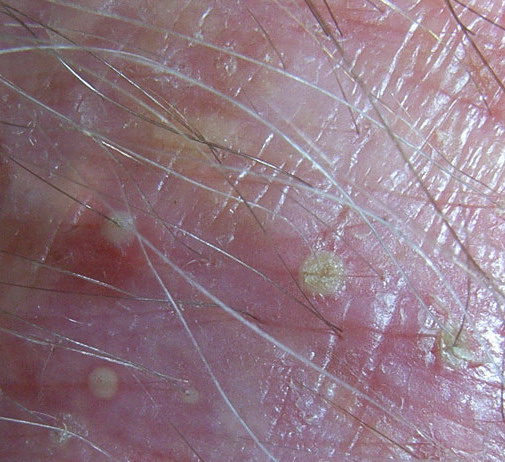
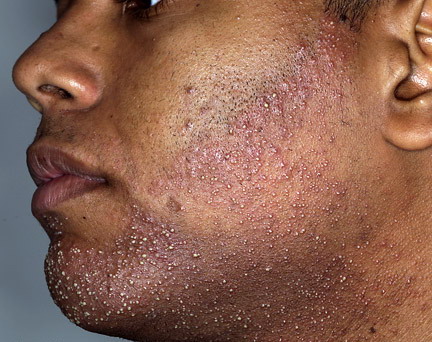
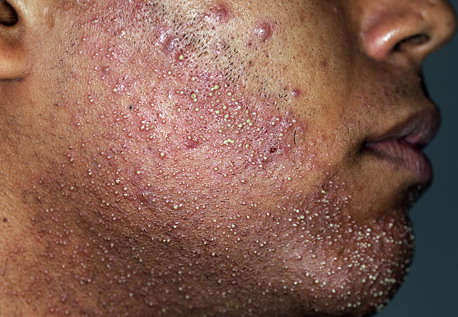
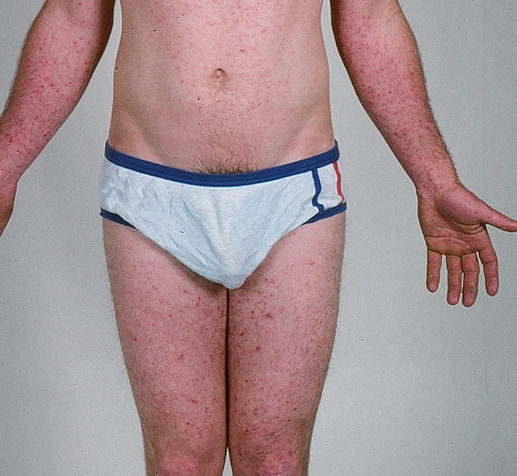
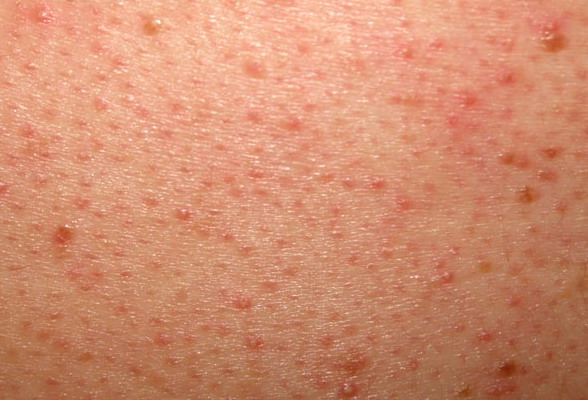
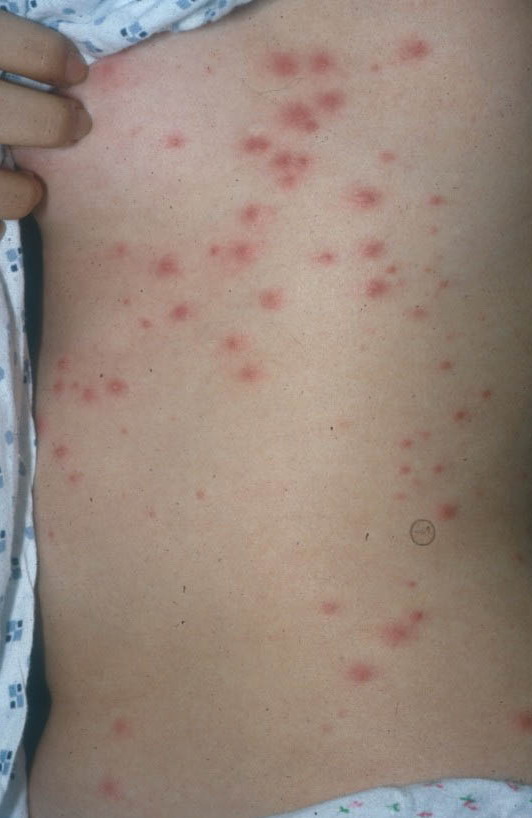
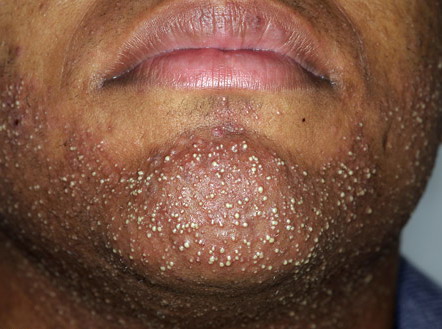
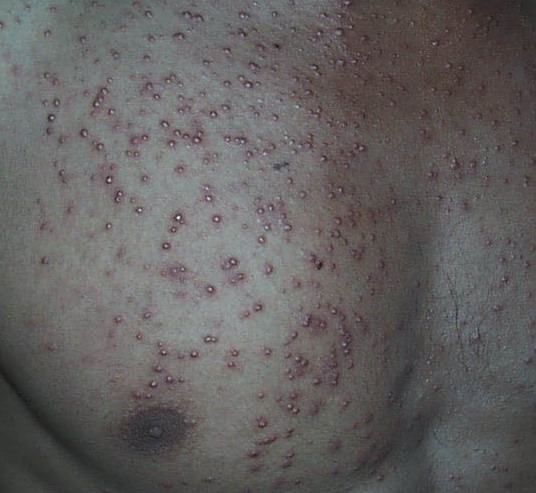
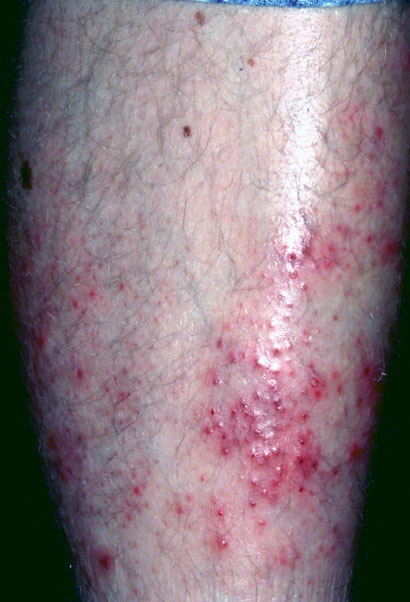
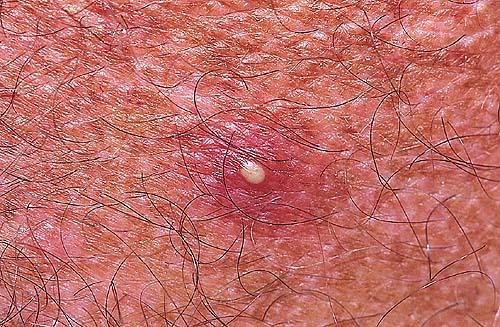
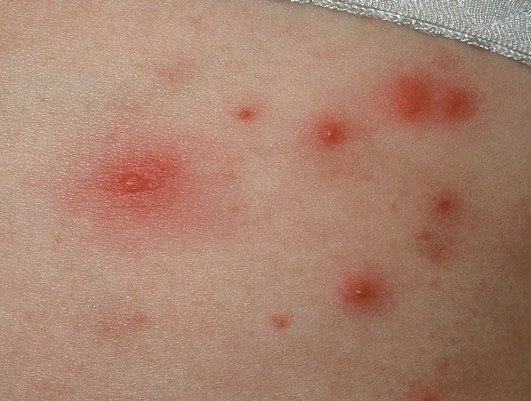
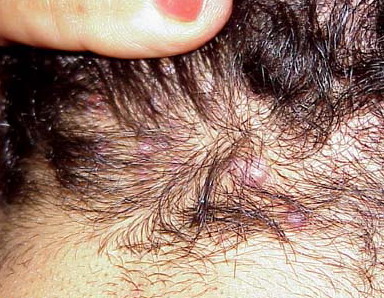
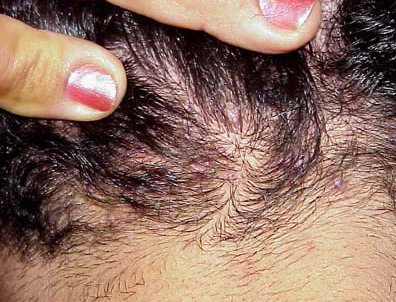
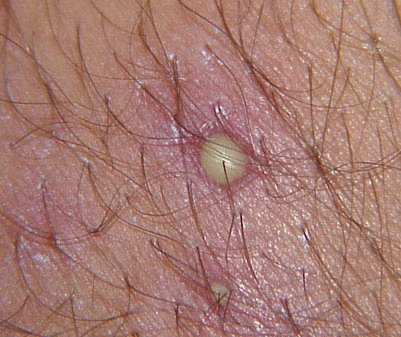
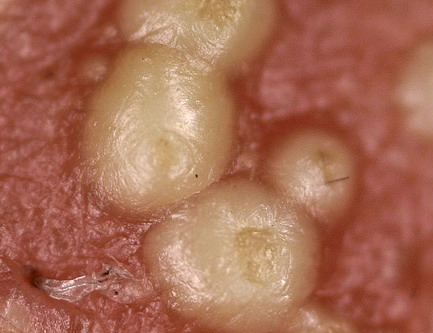
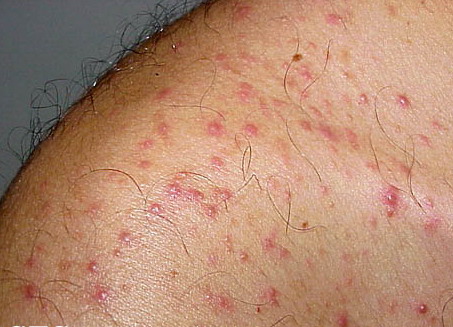
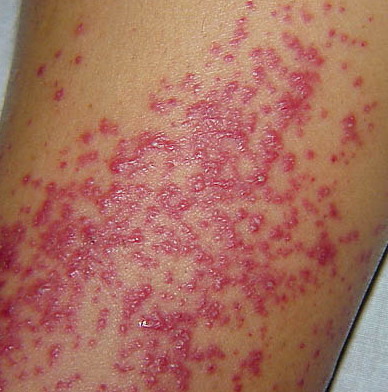
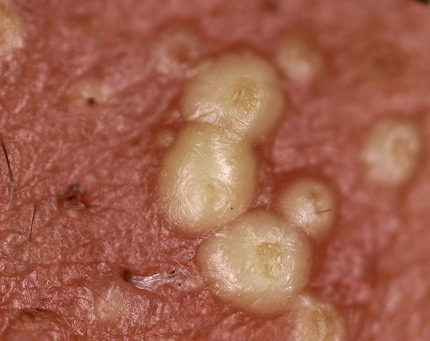
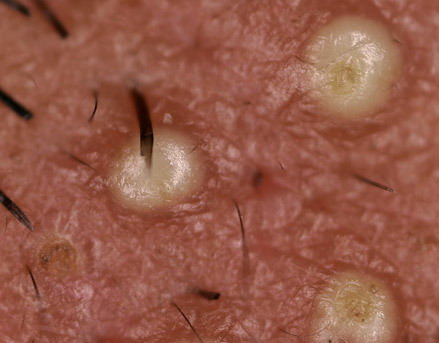
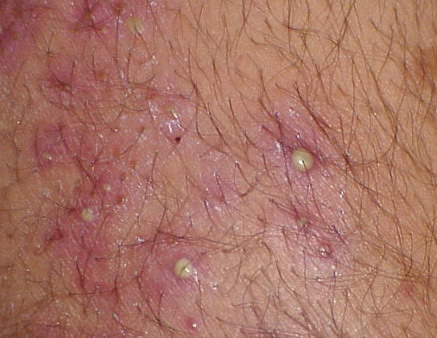
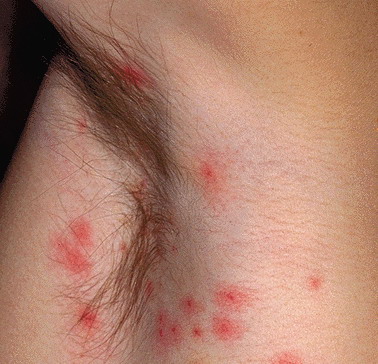
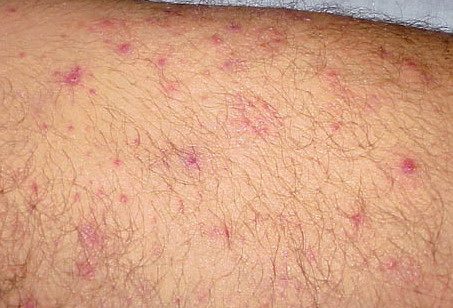
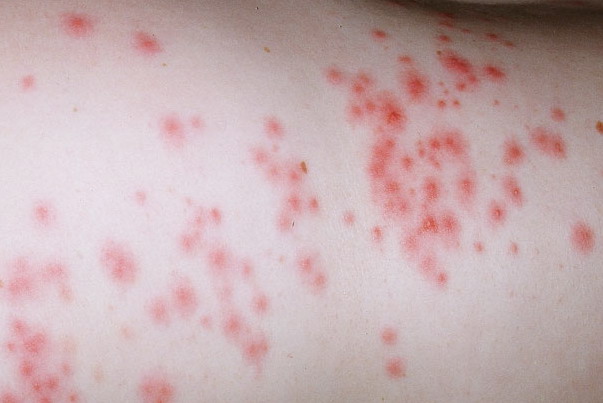
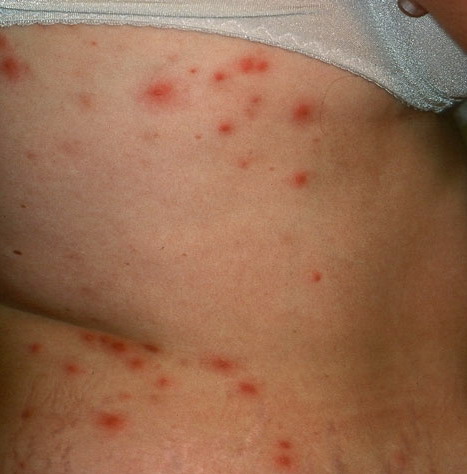
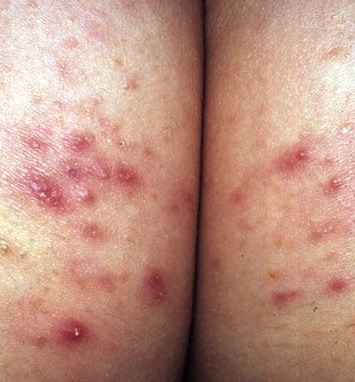
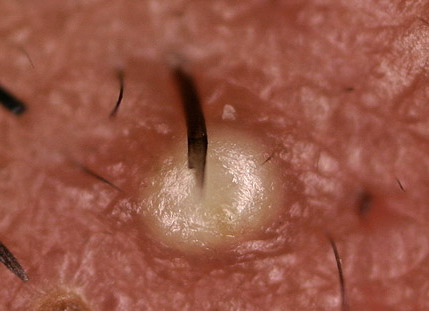
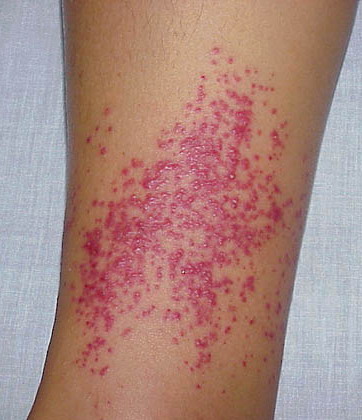
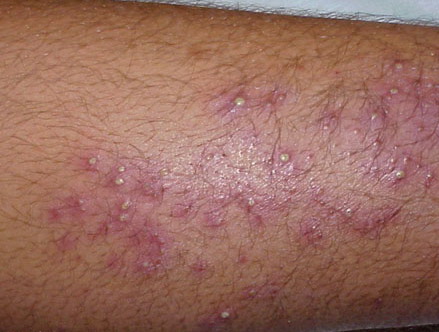
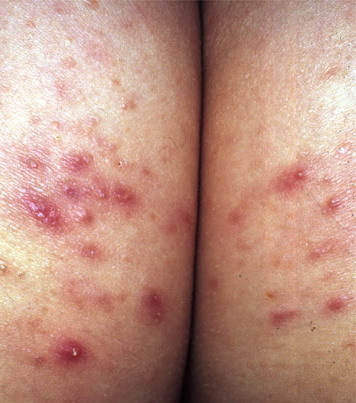
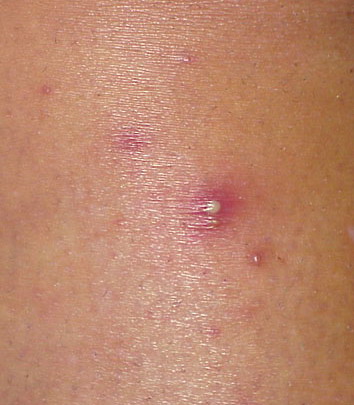
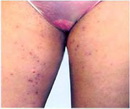
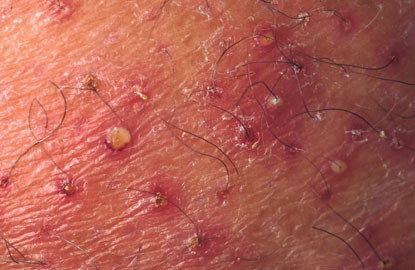
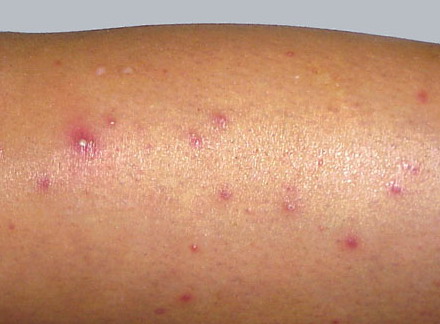
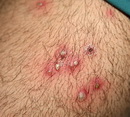
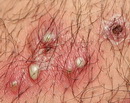
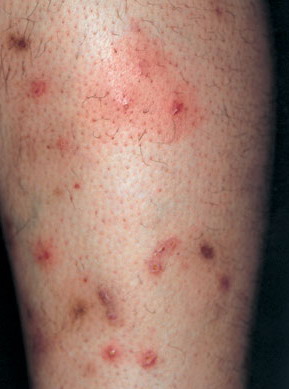
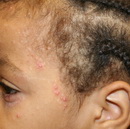
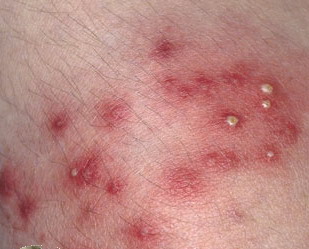
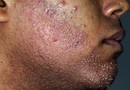
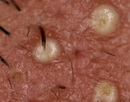
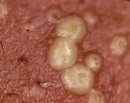
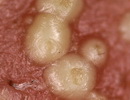
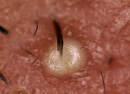
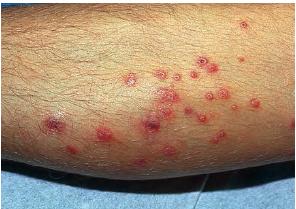
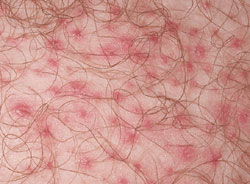
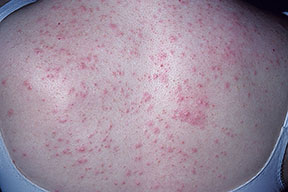
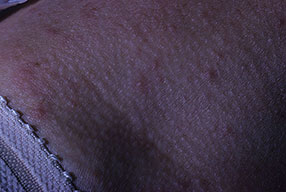
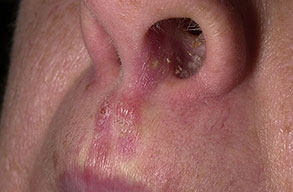
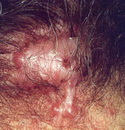
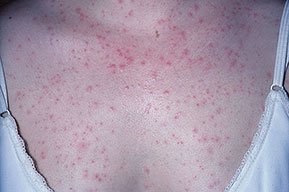
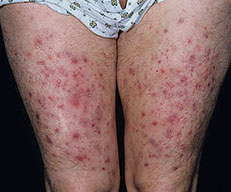
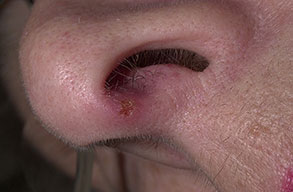
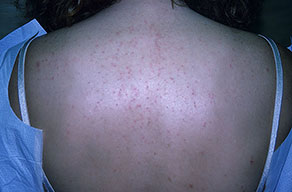
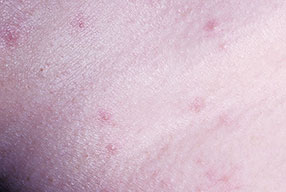
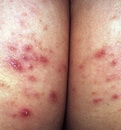
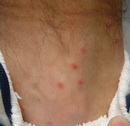
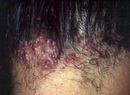
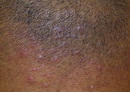
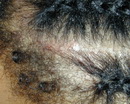
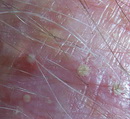
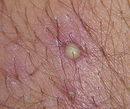
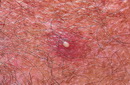
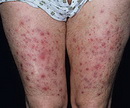
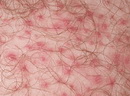
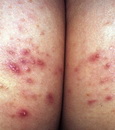
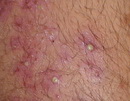
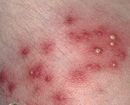
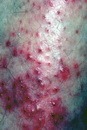
Superficial folliculitis has also been termed follicular or Bockhart impetigo. A small, fragile, dome-shaped pustule occurs at the infundibulum (ostium or opening) of a hair follicle, often on the scalps of children and in the beard area , axillae, extremities, and buttocks of adults. Isolated staphylococcal folliculitis is common on the buttock of adults. Periporitis staphylogenes refers to secondary infection of miliaria of the neonate by S. aureus. Staphylococcal blepharitis is an S. aureus infection of the eyelids, presenting with scaling or crusting of the eyelid margins, often with associated conjunctivitis; the differential diagnosis includes seborrheic dermatitis and rosacea of the eyelid.
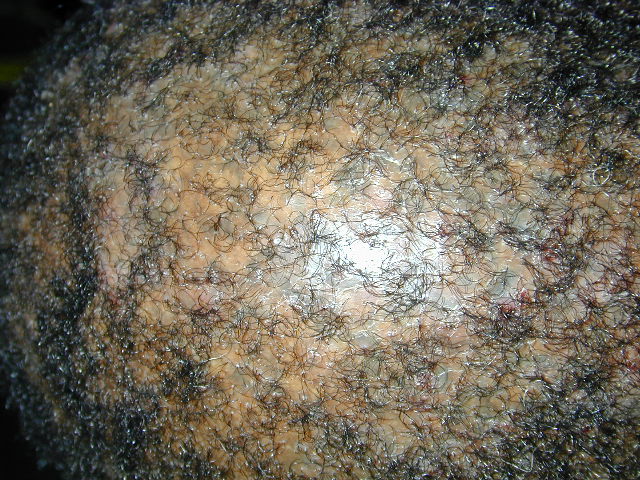
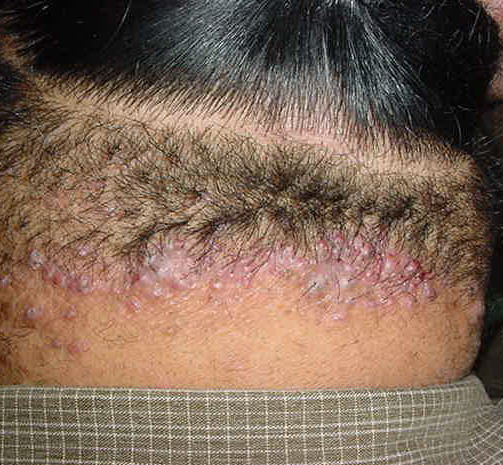
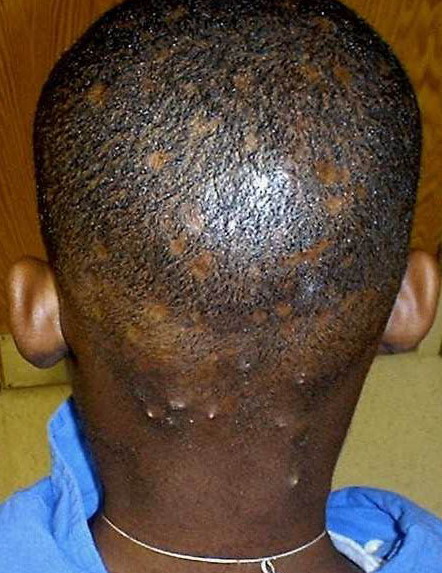
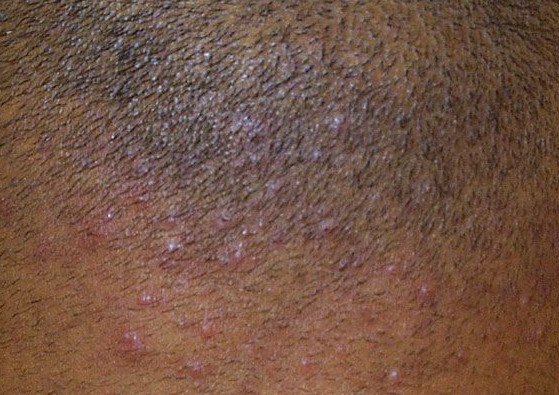
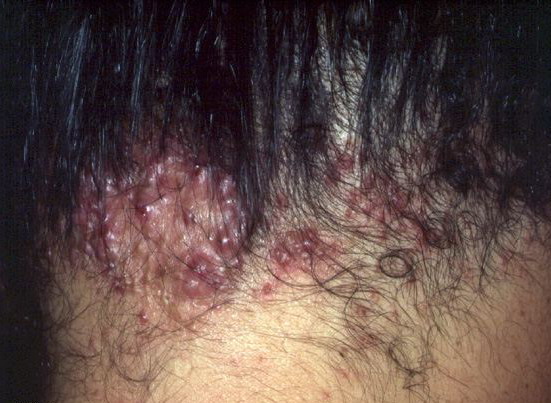
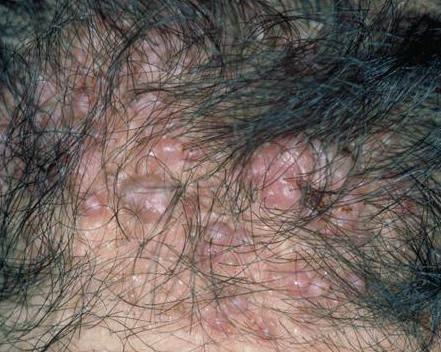
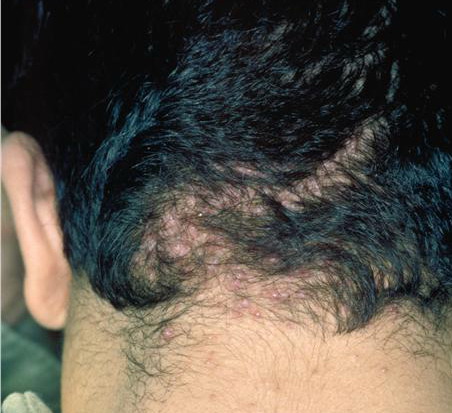
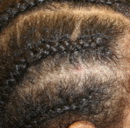
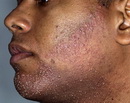
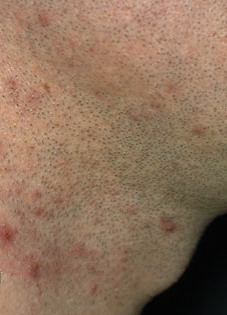
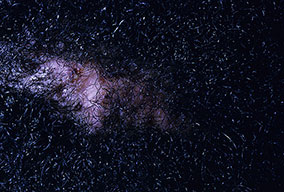
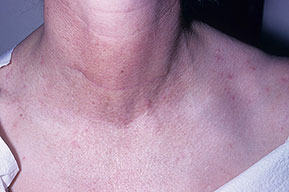
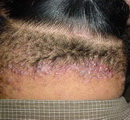
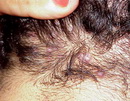
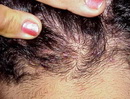
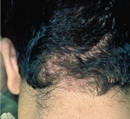
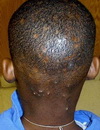
- aureusfolliculitis must be differentiated from other folliculocentric infections. Also, three non-infectious, inflammatory, follicular disorders are more common in black men: pseudofolliculitis barbae, which occurs on the lower beard area ; folliculitis keloidalis or acne keloidalis nuchae, on the nape of the neck; and perifolliculitis capitis, on the scalp. S. aureus can cause secondary infection in these inflammatory disorders. Exposure to mineral oils, tar products, and cutting oils can cause an irritant folliculitis. Acne vulgaris, drug-induced acneform eruptions, rosacea, hidradenitis suppurativa, acne necrotica of the scalp, and eosinophilic folliculitis of HIV disease must be distinguished from infectious folliculitis as well. Also, “hot tub” folliculitis may be caused by P. aeruginosa .
DEEP FOLLICULITIS.
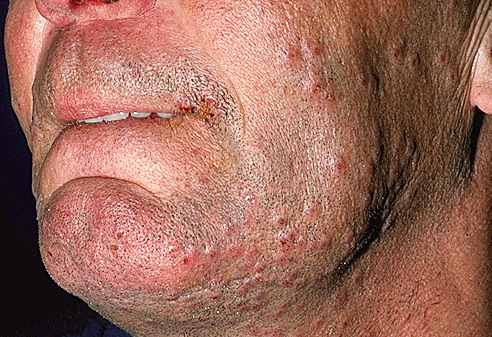
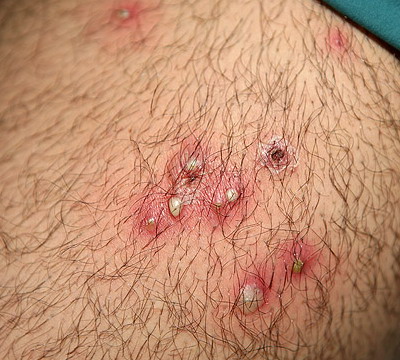
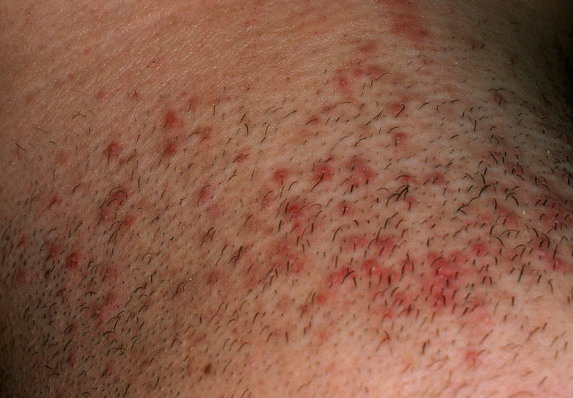
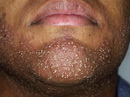
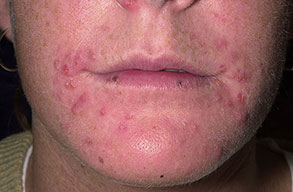
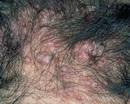
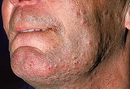
Sycosis barbae is a deep folliculitis with perifollicular inflammation occurring in the bearded areas of the face and upper lip . If untreated, the lesions may become more deeply seated and chronic. Local treatment with warm saline compresses and local antibiotics (mupirocin or topical clindamycin) may be sufficient to control infection. More extensive cases require systemic antibiotic therapy. Dermatophytic folliculitis must be differentiated from S. aureus folliculitis. In fungal infections, hairs are usually broken or loosened, and there are suppurative or granulomatous nodules rather than pustules. Also, in dermatophytic folliculitis plucking of hairs is usually painless .
Classification of Infectious Folliculitis |
Bacterial folliculitis | | - Staphylococcus aureus folliculitis
- Periporitis staphylogenes
- Superficial (follicular or Bockhart impetigo)
- Deep (sycosis) [may progress to furuncle (boil) or carbuncle]
- Pseudomonas aeruginosa folliculitis (“hot tub” folliculitis)
- Gram-negative folliculitis (occurs at the site of acne vulgaris, usually the face, with long-term antibiotic therapy)
- Syphilitic folliculitis (secondary; acneform)
| Fungal folliculitis | | - Dermatophytic folliculitis
- Tinea capitis
- Tinea barbae
- Majocchi granuloma
- Pityrosporum folliculitis
- Candida folliculitis
| Viral folliculitis | | - Herpes simplex virus folliculitis
- Follicular molluscum contagiosum
| Infestation | | |
|
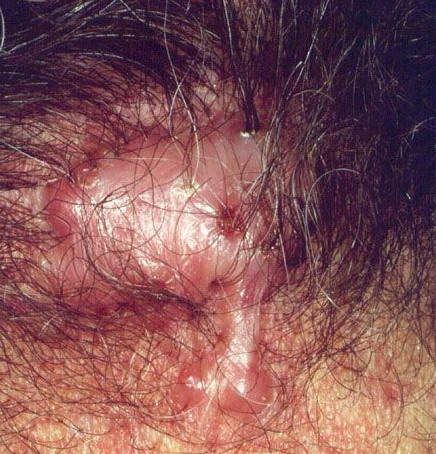
Lupoid sycosis is a deep, chronic form of sycosis barbae associated with scarring, usually occurring as a circinate lesion. A central cicatrix surrounded by pustules and papules gives the appearance of lupus vulgaris .