
👤 Users: 0 | 👁 Guests: 1 | 🌍 Total: 1
Erysipelas carcinomatosum = الحمرة السرطانية
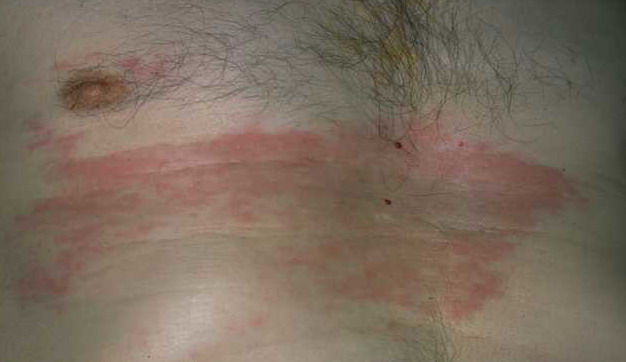
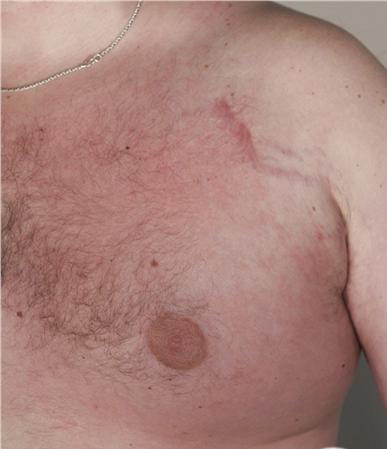
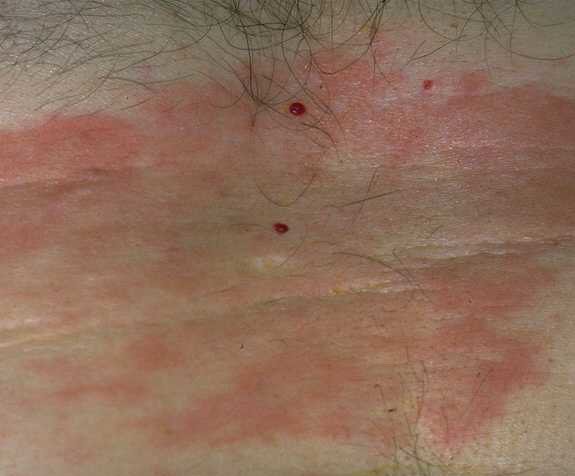
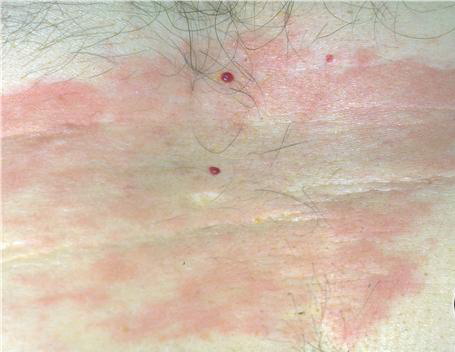
ERYSIPELAS
Erysipelas is a distinct type of superficial cutaneous cellulitis with marked dermal lymphatic vessel involvement caused by group A β-hemolytic streptococcus (very uncommonly group C or G streptococcus) and rarely caused by S. aureus. In the newborn, group B streptococci can cause erysipelas. Lymphedema, venous stasis, web intertrigo, and obesity are risk factors in the adult patient.
In the absence of underlying edema or other skin abnormalities, erysipelas
usually begins on the face or a lower extremity, heralded by pain, superficial erythema, and plaque-like edema with a sharply defined margin to normal tissue . These findings are often described as peau d’orange appearance. In the presence of antecedent edema or other anatomic abnormalities, the margin between normal and diseased soft tissue may be obscure, much as in primary cellulitis. There may not be an obvious portal of entry, and skipped areas may confuse the nature of the process. Facial erysipelas is less frequent than lower extremity disease and begins unilaterally but may spread by contiguity over the nasal prominence to involve the face symmetrically . The oropharynx may be a portal of entry, and throat culture may show GAS. Inflammatory edema may extend to the eyelids, but orbital complications are rare. Fever may precede local signs, and, occasionally, before distal extremity
findings, patients complain of groin pain caused by swelling of a femoral node. Lymphangitis and abscess are very rare, but the process may spread rapidly from the initial lesion. Occasionally, in addition to rapid spread of the erythematous, edematous plaque, bullae may form in the involved area.
Etiology of Soft-Tissue Infections | |||||||||||||||||||||||||||||||||||||||||||||||||||||||||||||||||||||||||||||||||||||||||||||||||||||||||||||||||||||||||||||||||||||||||||||||||||||||||||||||||
| |||||||||||||||||||||||||||||||||||||||||||||||||||||||||||||||||||||||||||||||||||||||||||||||||||||||||||||||||||||||||||||||||||||||||||||||||||||||||||||||||
Recurrent erysipelas is associated with saphenous vein harvest (occasionally in association with tinea pedis) and lymphedema complicating mastectomy with axillary node dissection. In these cases, erysipelas presents with edema and erythema along lines of venectomy or nodal dissection. In addition, resultant lymphedema from a previous episode of erysipelas is a risk factor for recurrence, particularly on the lower extremities. Congenital lymphedema (Milroy disease) may also lead to recurrent erysipelas.