CLINICAL | HISTOLOGIC |
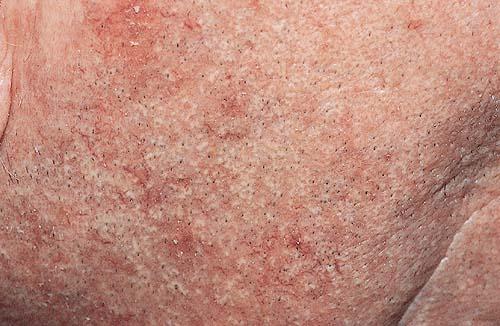
Dryness (roughness) | Increased compaction of stratum corneum, increased thickness of granular cell layer, reduced epidermal thickness, reduced epidermal mucin content |
Actinic keratoses | Nuclear atypia, loss of orderly, progressive keratinocyte maturation; irregular epidermal hyperplasia and/or hypoplasia; occasional dermal inflammation |
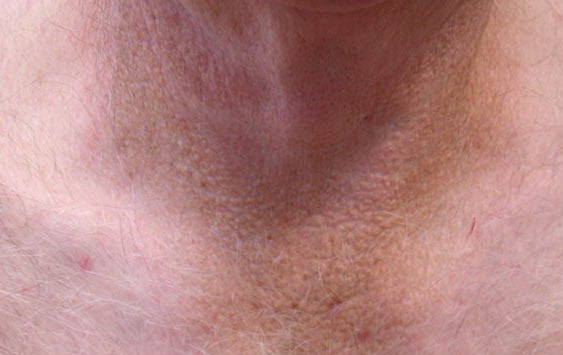
Irregular pigmentation | |
| Freckling | Reduced or increased number of hypertrophic, strongly DOPA-positive melanocytes |
| Lentigines | Elongation of epidermal rete ridges; increases in number and melanization of melanocytes |
| Guttate hypomelanosis | Reduced number of atypical melanocytes |
| Diffuse irreversible hyperpigmentation | Increased number of DOPA-positive melanocytes and increased melanin content per unit area and increased number of dermal melanophages |
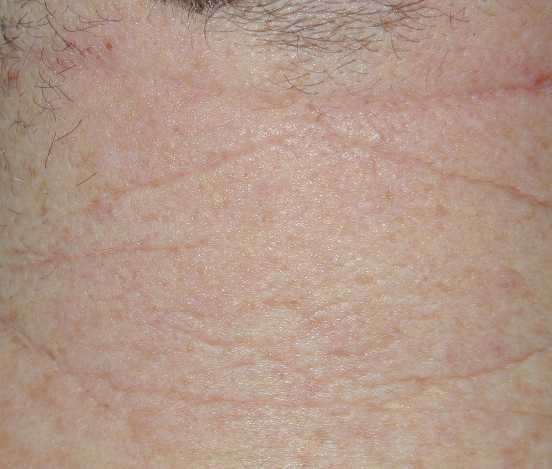
Wrinkling | |
| Fine surface lines | None detected |
| Deep furrows | Contraction of septae in the subcutaneous fat |
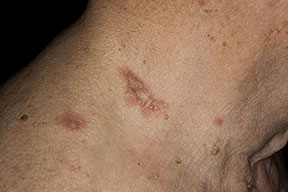
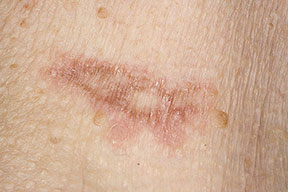
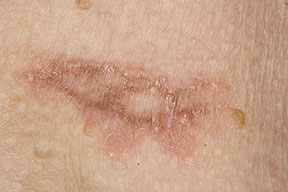
Stellate pseudoscars (see eFig. 108-4.3 in on-line edition) | Absence of epidermal pigmentation, altered fragmented dermal collagen |
Elastosis (fine nodularity and/or coarseness) | Nodular aggregations of fibrous to amorphous material in the papillary dermis |
Inelasticity | Elastotic dermis |
Telangiectasia | Ectatic vessels often with atrophic walls |
Venous lakes | Ectatic vessels often with atrophic walls |
Purpura (easy bruising) | Extravasated erythrocytes and increased perivascular inflammation |
Comedones | Ectasia of the pilosebaceous follicular orifice |
Sebaceous hyperplasia | Concentric hyperplasia of sebaceous glands |
aBasal cell carcinoma and squamous cell carcinoma also occur in photoaged skin but, unlike the table entries, affect only a minority of individuals. |